


OUR OFFICE
Rukan Great Wall, Jl. Green Lake City Boulevard No.63 Blok B, RT.002/RW.008, Petir, Kec. Cipondoh, Kota Tangerang, Banten 15146 Indonesia
Want to learn more?
Contact UsOUR OFFICE
Rukan Great Wall, Jl. Green Lake City Boulevard No.63 Blok B, RT.002/RW.008, Petir, Kec. Cipondoh, Kota Tangerang, Banten 15146 Indonesia
Want to learn more?
Contact UsIndonesia's food & beverage industry continues to grow as customer demands for faster service, comfortable experience, and better service quality continue to rise. At the same time, restaurant operators face increasingly complex challenges, ranging from rising energy costs and facility management to the need for more efficient and sustainable operations.
Today, digital transformation in the food & beverage industry extends far beyond POS systems and online ordering platforms. More restaurant chains are adopting Internet of Things (IoT) technologies to automate operational processes, optimize energy consumption, and improve real-time visibility across their facilities.
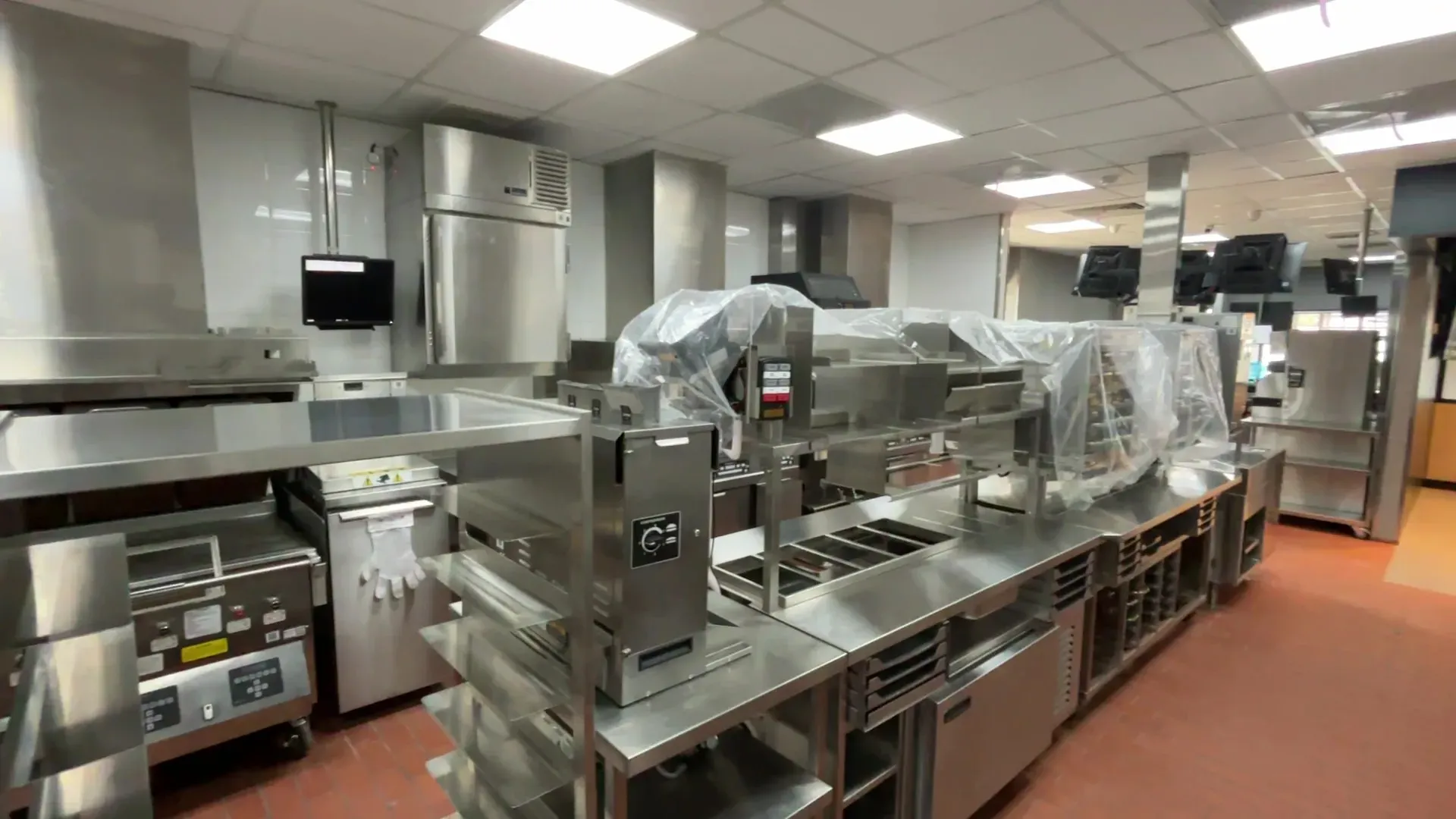
Recognizing these evolving needs, PT IoT Kreasi Indonesia was entrusted to implement an IoT solution for one of the world's largest fast food restaurant chains. This implementation serves as the foundation for expanding similar IoT deployments across Indonesia's retail and food & beverage sectors.
So, what IoT technologies are modern restaurants beginning to adopt today?
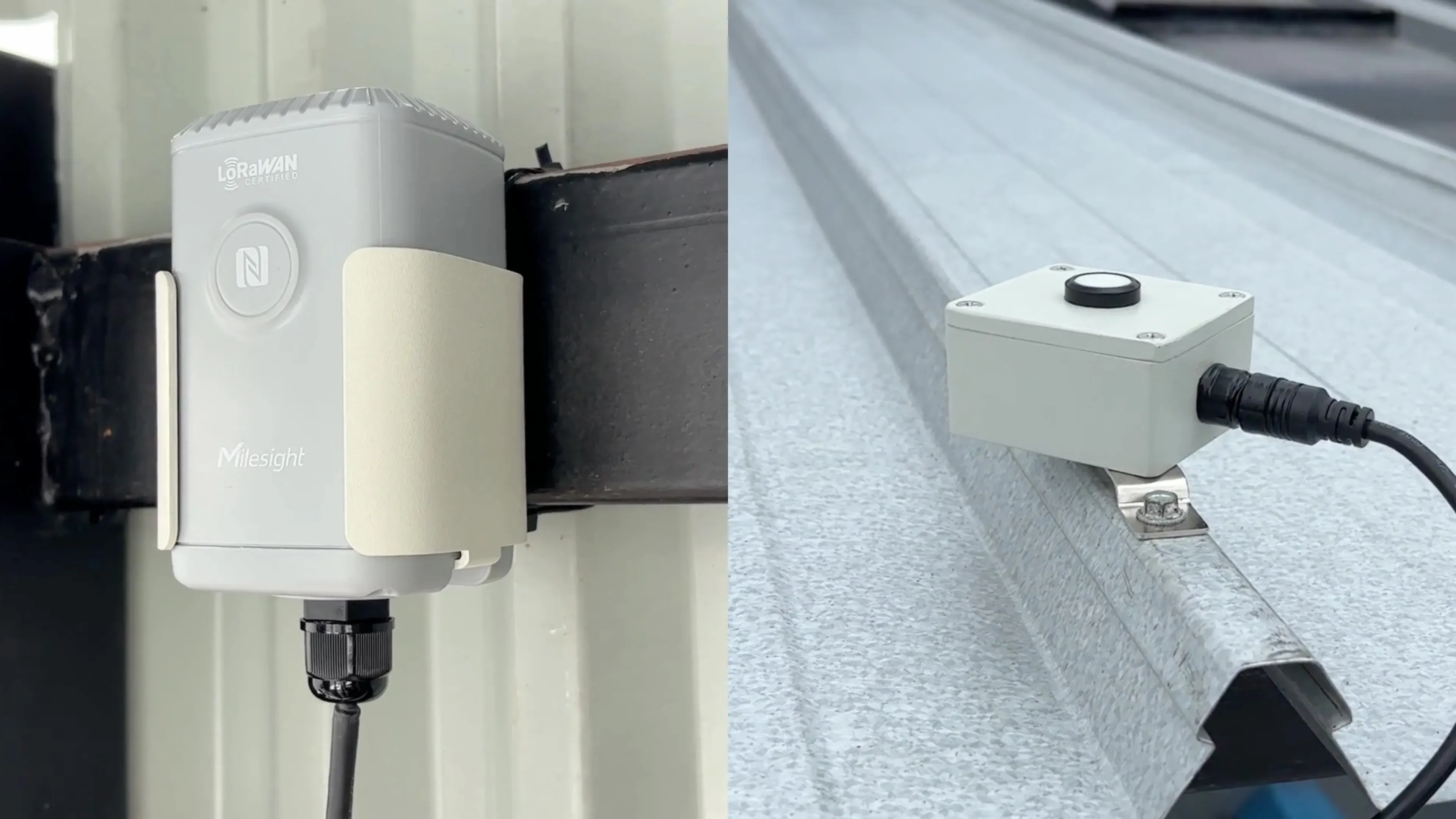
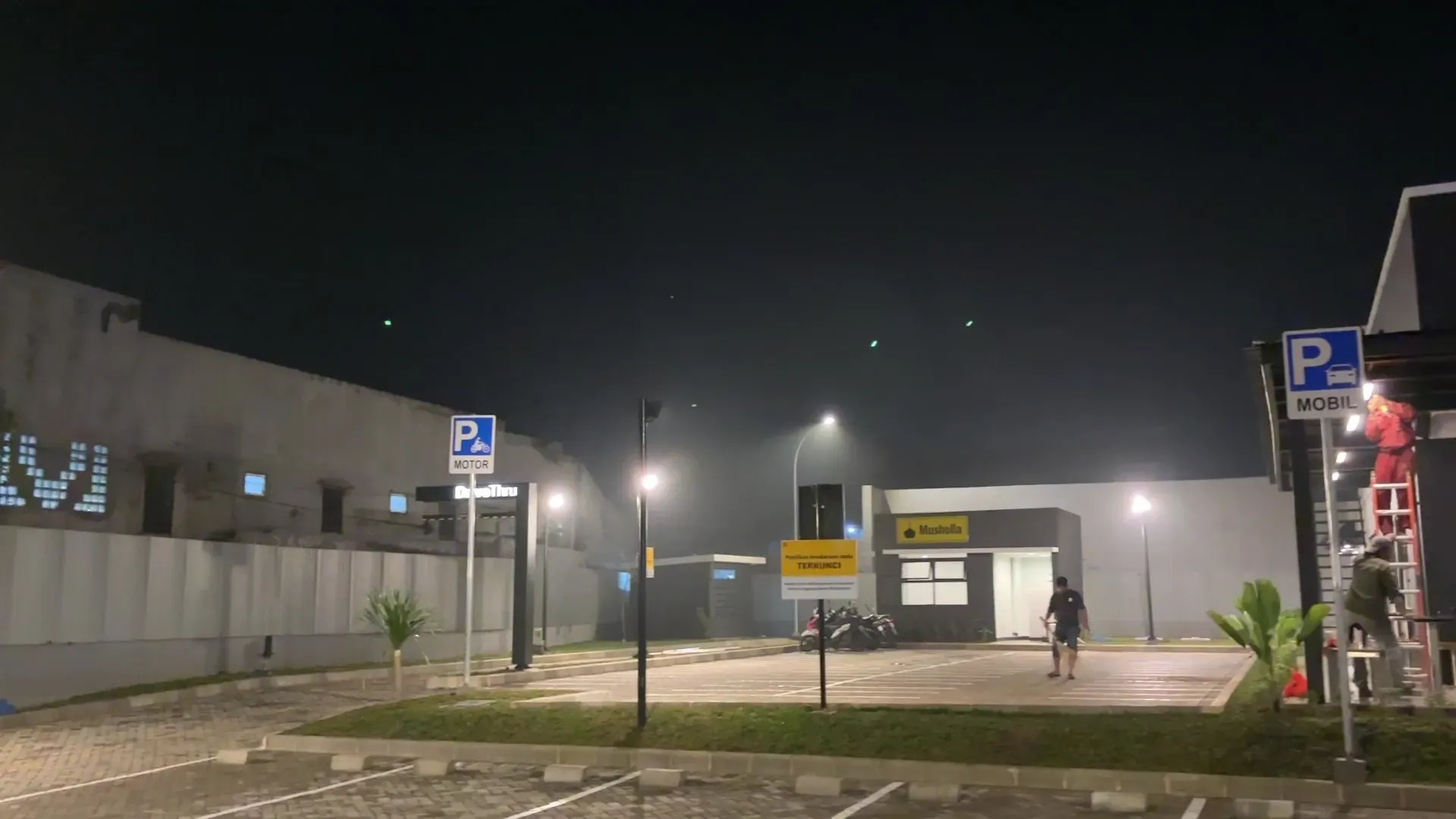
Outdoor lighting plays an important role in ensuring both safety and visibility around restaurant facilities. In many locations, exterior lighting is still operated manually according to daily operating hours. Amid busy day-to-day operations, this process remains dependent on staff to switch lights on and off at the appropriate time. As a result, lights may turn on earlier than necessary, be activated too late, or remain illuminated even when natural daylight is still sufficient.
With IoT technology, outdoor lighting can automatically adapt to changing ambient light conditions. The sensor continuously monitors changes in natural light caused by weather conditions and the transition between day and night, providing input that allows the lighting system to switch on or off automatically within seconds.
For this implementation, PT IoT Kreasi Indonesia deployed the Milesight Lux Sensor as part of a smart lighting solution to improve lighting efficiency while reducing unnecessary energy consumption.
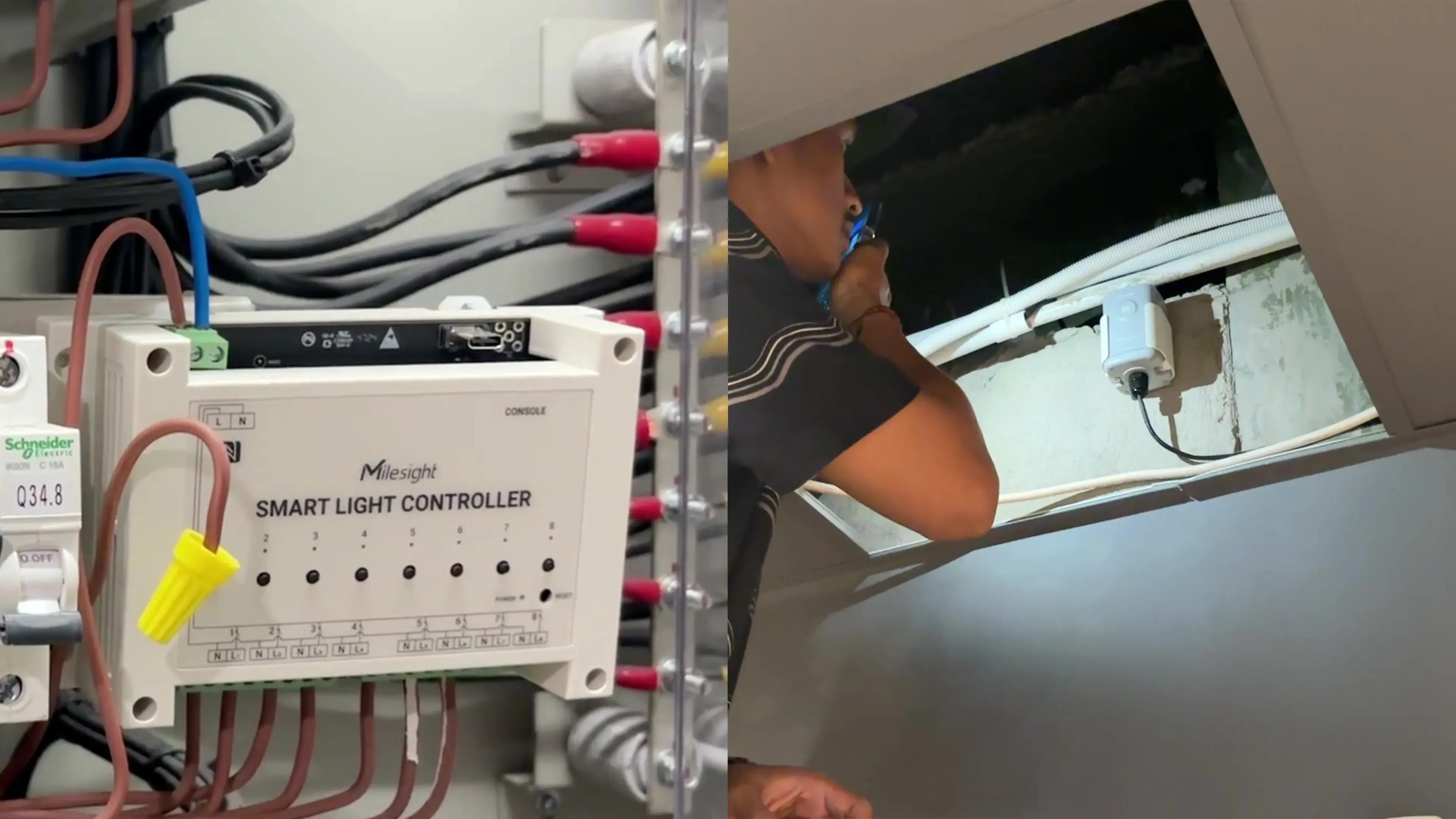
Indoor lighting is also one of the largest contributors to a restaurant's overall energy consumption. Operating lighting manually not only increases operational workload but also creates opportunities for human error and unnecessary energy waste.
With an IoT-based Smart Light Controller, lighting can be automatically controlled according to predefined schedules and operational requirements. The system operates consistently without manual intervention, helping restaurants improve operational efficiency while maintaining optimal energy usage.
This approach also provides greater flexibility for restaurant operators to manage different lighting zones based on each location's operational requirements.
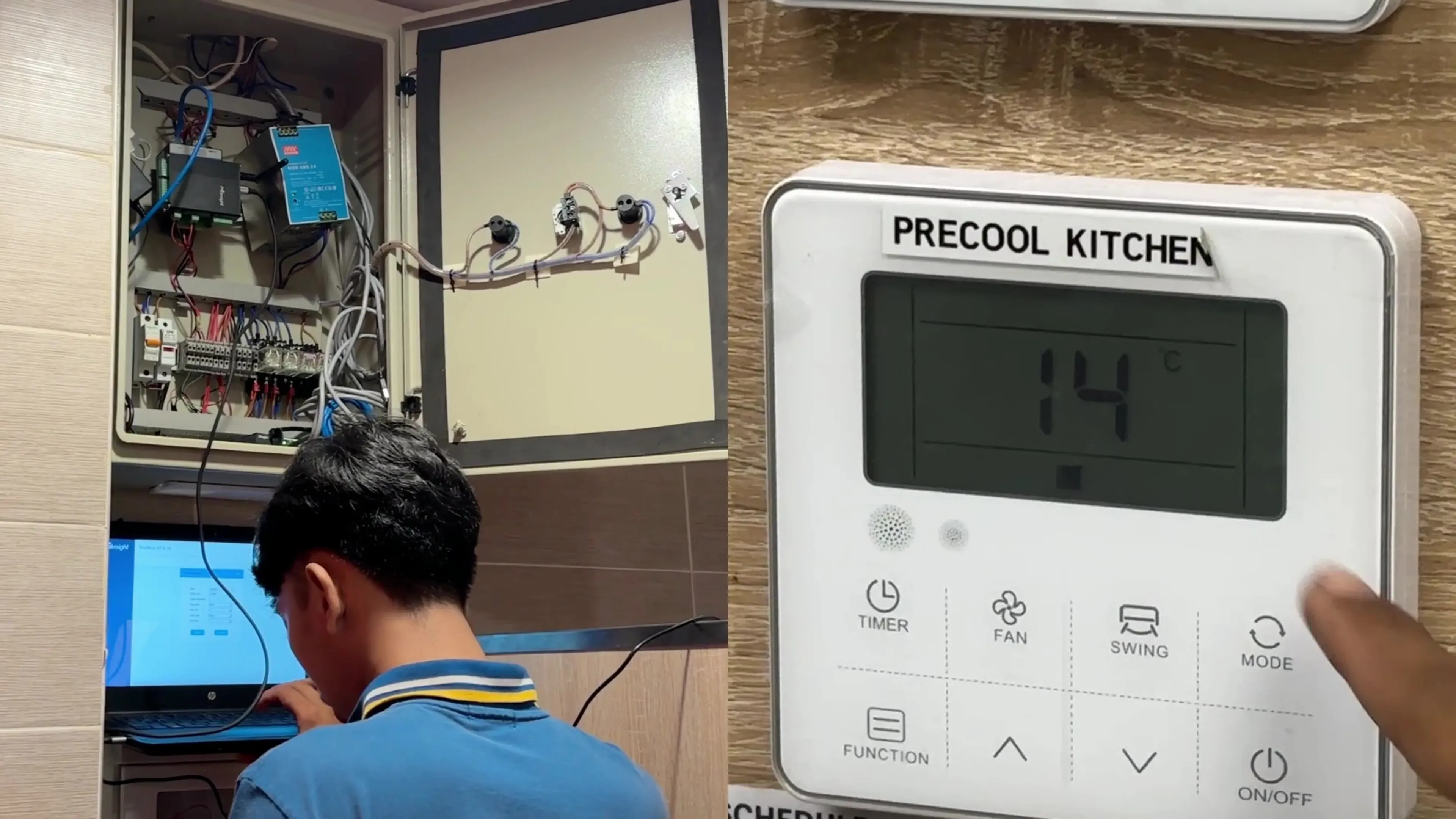
Customer comfort plays a significant role in the overall dining experience. While HVAC systems help maintain comfortable indoor temperatures, they are also among the largest energy consumers in commercial buildings.
Through IoT integration, HVAC operations can be managed more intelligently based on actual operational needs. This approach helps maintain indoor comfort while optimizing energy usage, ensuring the system operates only when necessary.
For restaurant chains operating multiple locations, HVAC automation also helps maintain consistent environmental conditions across every branch.
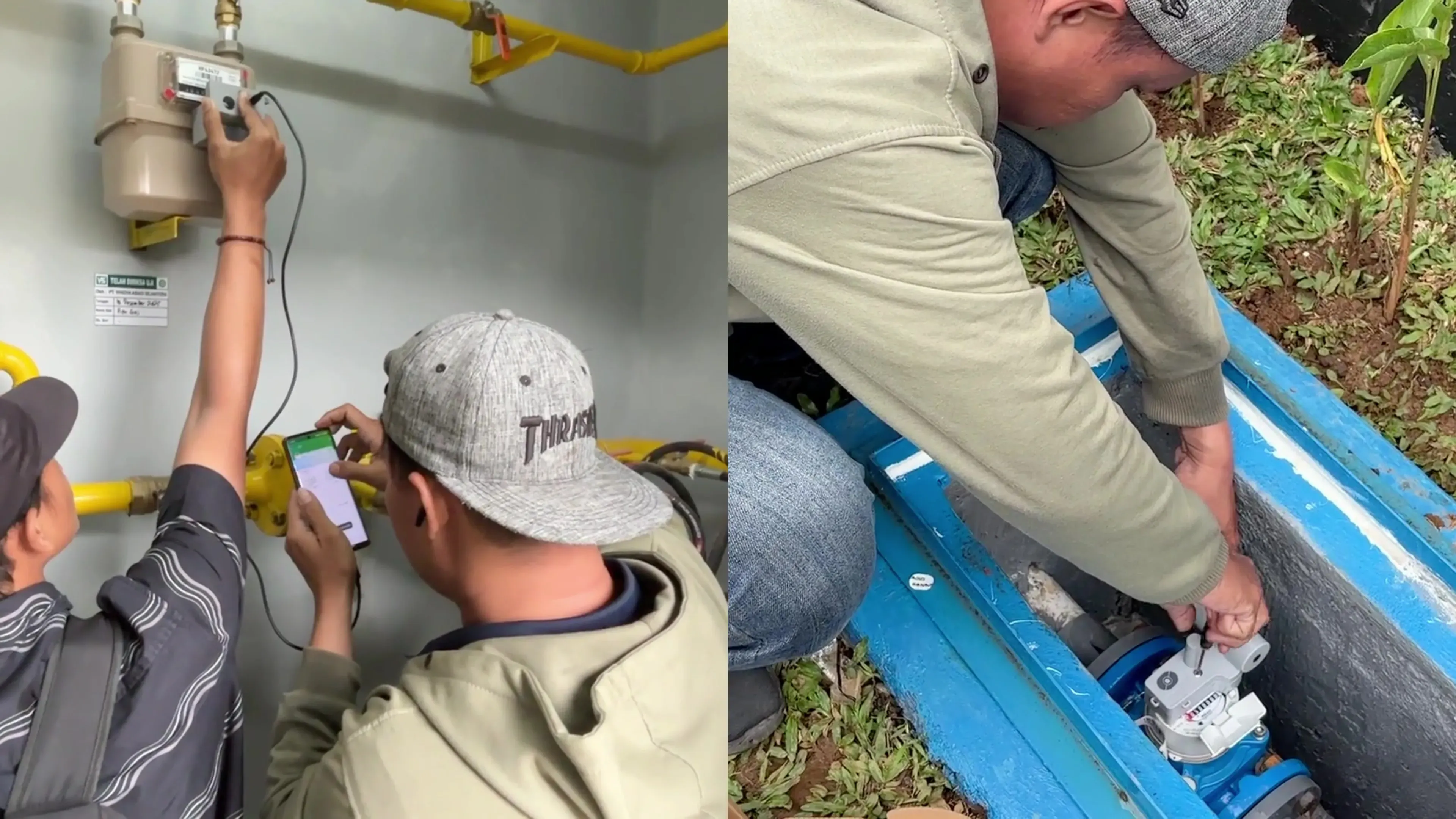
Beyond electricity, gas and water are two essential utilities that directly impact a restaurant's daily operating costs. However, in many cases, consumption levels are only identified after utility bills are received or operational issues occur.
With IoT technology, gas and water consumption can be monitored continuously through historical logs available within a centralized dashboard, providing operators with greater visibility into utility usage across every location. Historical data can also help identify unusual consumption patterns, support operational evaluations, and improve facility maintenance planning.
This provides restaurant operators with more accurate insights than relying solely on manual record-keeping.
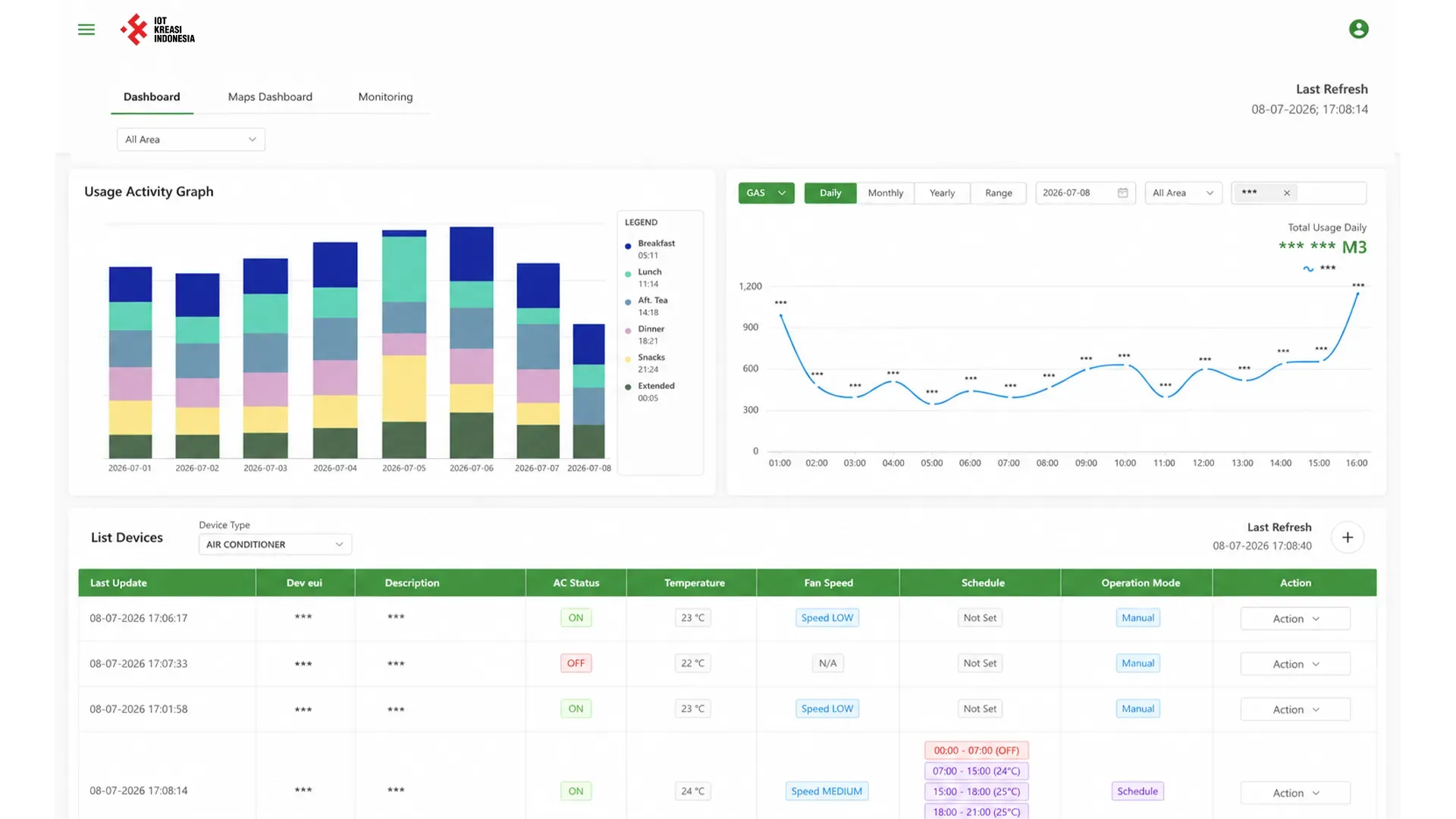
The true value of an IoT implementation extends beyond the sensors themselves. It lies in the ability to integrate every connected device into a centralized platform for continuous monitoring and management.
Through a centralized dashboard, operators can monitor device status, review operational history, receive alerts when specific conditions occur, and access valuable data that supports faster and better-informed decision-making. Bringing all operational information into a single interface makes monitoring significantly easier, faster, and more efficient.
For organizations managing multiple locations, this approach provides a remote access to usage data of every business branch without requiring on-site inspections at every branch.
Beyond improving operational efficiency, IoT implementation also aligns with the growing sustainability initiatives adopted by many organizations through better energy and utility management. Automated lighting, intelligent HVAC control, and utility monitoring help reduce unnecessary energy consumption while supporting operations with a lower carbon footprint.
This implementation demonstrates that IoT technology is not only relevant to the food & beverage industry, but also to businesses managing multiple facilities and daily operations. The same approach can be applied across retail, supermarkets, shopping malls, hotels, and commercial buildings to improve operational efficiency, optimize energy usage, and provide greater visibility into day-to-day operations.
Interested in learning more about the technologies featured in this article? Get in touch with our team through the following channels.
📧 Email us